

Some businesses pour money into paid ads and see nothing but random spikes in traffic. Others avoid paid traffic completely, assuming it’s too risky or expensive to touch. Both reactions come from the same problem: using paid traffic strategies without understanding how they actually work.
Paid traffic isn’t just about buying clicks. It’s a system for reaching people who are already searching for solutions, testing what messages convert, and scaling what works. When you combine effective paid traffic strategies with organic marketing, ads stop feeling risky and start delivering predictable results.
This guide covers everything you need to know about building online visibility through paid traffic, including:
Ready to see which approaches actually work? Let’s get started.
Paid traffic is when you pay platforms to display your ads in front of potential customers. Instead of waiting for people to find you online, you put your business directly in their path.
And the best part is that you control who sees your paid ads by setting targeting options based on location, interests, and behavior. That means you’re not just throwing money at random visitors. You’re reaching people who actually fit your target audience profile.
The speed difference compared to organic traffic is huge. Organic traffic builds slowly through content marketing and SEO. Paid traffic? Your Google ad or Facebook campaign goes live within hours, which puts you at the top of search results or in social feeds immediately.
That’s why paid traffic works so well for product launches, flash sales, or any situation where you need visibility right now instead of six months from now.

Both traffic types bring visitors to your site, but they operate on very different schedules. Often, combining them works best.
From what we’ve seen, the most successful businesses use paid ads to deliver immediate results while organic content builds long-term credibility. The goal is layering short-term wins with sustainable growth instead of relying on just one approach.
Organic traffic comes from content marketing, SEO, and organic social media posts you publish over time. People find your business naturally through search engines without you paying for each click.
The credibility factor is huge here. When someone discovers your helpful blog post through Google, they trust you more than if they clicked a sponsored ad. That trust translates into higher conversion rates and repeat customers (yes, even if it takes six months to build).
Plus, organic traffic keeps working long after you publish. A single well-optimized article can bring visitors for years without ongoing ad spend.
Paid ads appear at the top of search results or social feeds within hours of launch. You pay for a solid placement but get instant visibility with your exact target audience.
This speed makes paid traffic perfect for:
The real power comes from using both. Run paid ads to generate quick wins and cash flow, then invest those profits into content that builds organic traffic over time. That’s how you stop depending on ad spend to survive.
Paid traffic puts you in front of people actively searching for solutions right now. That means no waiting months for organic rankings to build (because who has time for that?).
Here’s the problem with relying only on organic reach: you’re competing against businesses that have spent years building their search presence. A local bakery launching today can’t outrank King Arthur Baking Company organically in three weeks. Just not happening.
Paid traffic levels that playing field. Your ad can appear at the top of search results within hours of launching, regardless of your domain age or backlink profile.

Paid campaigns let you reach people at different buying stages with tailored messages:
This precision expands your online visibility beyond organic traffic alone. Instead of hoping the right people stumble across your content, paid campaigns put your business directly in front of them.
Instead of waiting 6-12 months for content to climb rankings, paid traffic lets you test messaging and generate revenue while your organic strategy builds. That cash flow funds more content creation, which eventually reduces your reliance on paid ads (full circle moment right there).
For example, a new fitness app could spend $2,000 testing 5 ad angles in two weeks and discover which message converts best. Then use that insight for organic content. Trying to learn that through organic traffic alone would take months of content production and guesswork.
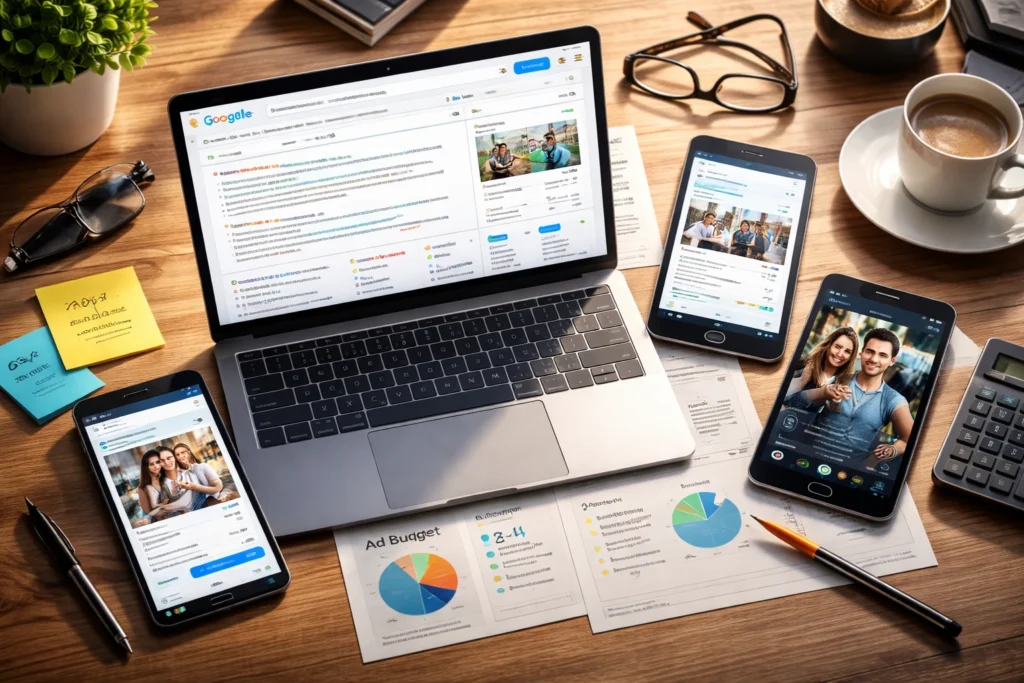
Different platforms attract different audiences. Choosing the right marketing channel depends on where your customers actually spend their time. Here are the main options worth considering.
Once you know which platform fits your audience best, start small. Pick one to test instead of trying to master all of them at once. That way, you’ll learn what works without spreading yourself too thin or getting mediocre results everywhere.
Paid traffic works best when it amplifies the content you’re already creating for organic channels. In other words, you take what’s already working and put it in front of more people.
For example, say you publish a blog post about email marketing tips that gets strong engagement. Rather than letting it fade after two weeks, promote it with paid social campaigns to reach people beyond your current followers.
That strategy creates multiple touchpoints where potential customers encounter your brand. Someone might see your Instagram post on Monday, your Google ad when they search “email marketing software” on Wednesday, and your blog post through organic search on Friday.
Each interaction builds familiarity and trust. And by the time they’re ready to buy, they’ve seen you three times across three different platforms.
When paid and organic channels work together, your content reaches more people, builds trust through repeated exposure, and supports multiple stages of the customer journey.
That’s how paid traffic fits into your overall digital marketing strategy and why businesses integrating both strategies see better ROI than those running each channel separately.
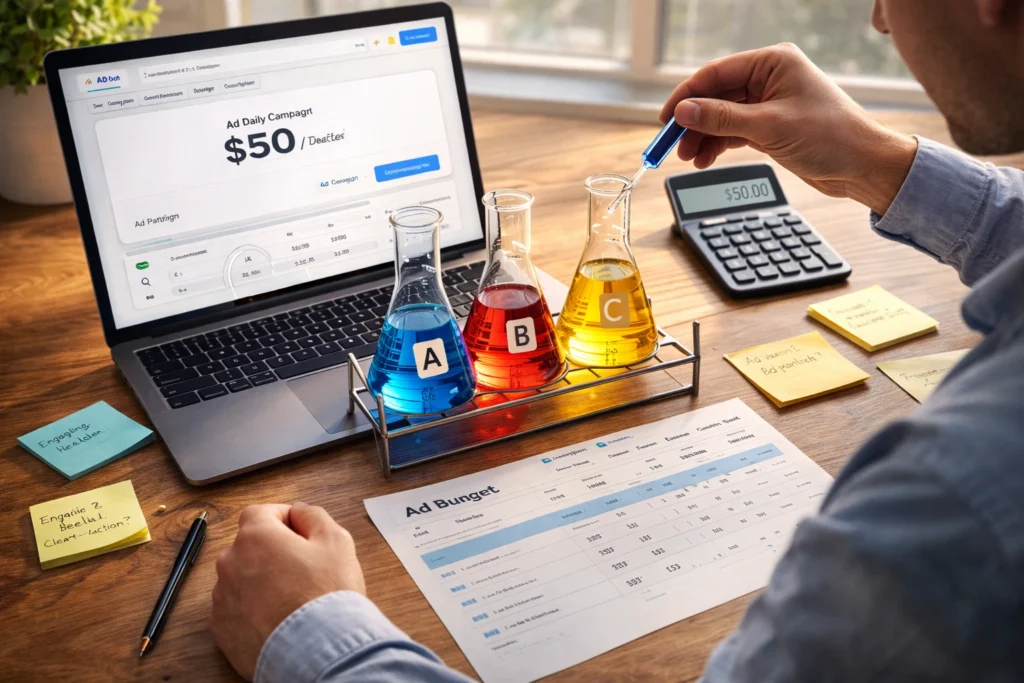
Starting with paid ads doesn’t mean burning through your budget on guesswork and failed experiments. You can launch successful campaigns without wasting money if you plan carefully. To get started, focus on these three fundamentals:
The businesses that succeed with paid traffic treat it like an experiment, instead of a gamble. Each campaign teaches you something, and those lessons compound into a predictable system rather than random wins.
Paid traffic gives you control over who sees your business and when they see it. The key is treating paid ads as one part of your overall marketing channel mix, not your only strategy.
Start small, test what works, and remember that combining paid traffic strategies with organic efforts creates the strongest foundation for growth. When both channels support each other, you get immediate results while building long-term online visibility.
For more insights on building effective digital marketing campaigns and improving your online presence, visit Movea Tech for practical guides that help you get real results.